I look back on many past encounters with families in crisis countries, especially children and their mothers. I have spent 2 decades of my professional life in Nepal, Iraq, Syria, and now in Ukraine. But one recollection resonates with me in deep emotional shades of clarity. It was back in 2017, inside the pediatric ward of the Mosul General Hospital, where I was a volunteer medic during a time of violent conflict. Our team of doctors was treating Dahlia (not her real name), a 13-year old child with war-inflicted wounds, including internal injuries that required surgical repair and a diverting colostomy. The doctors monitored her condition day and night while our psychosocial counsellors assisted in her recovery from psychological trauma.
Dahlia was only ten years old when the violent extremist group known as ISIS took over Mosul. She witnessed the execution of friends and family members. Her family hid her in the basement for over six months until they were eventually discovered. She was taken to the ISIS-controlled hospital where she received improper treatment for her injuries. What she endured there was too horrific to describe. After several months of medical and psychological care, she did recover, much to our joy and that of her parents. When she was mobile again, she visited our counselling center regularly. That was when her mother came to me and asked, “Is there a way my child can access books? Not religious books, which was the only thing made available to her, but books about the world. Can you help her improve her reading? She wants to learn everything.”
This touched me so deeply that I said yes, all the time wondering how, in a time of war, I could possible find such books in Arabic. I remember driving through dangerous territory to make it back to Erbil in the Kurdistan Region of Iraq, where I could shop for books in Arabic. It was not easy, for most books were in Kurdish, and there was no possibility to safely travel to Baghdad and search the bookshops there. But I did find a few, and other volunteers started collecting from their neighbors. I had to drive the perilous roads between Mosul and Erbil more often than our security rules would allow. But it was necessary, as I could hardly catch up with the speed at which she was reading.
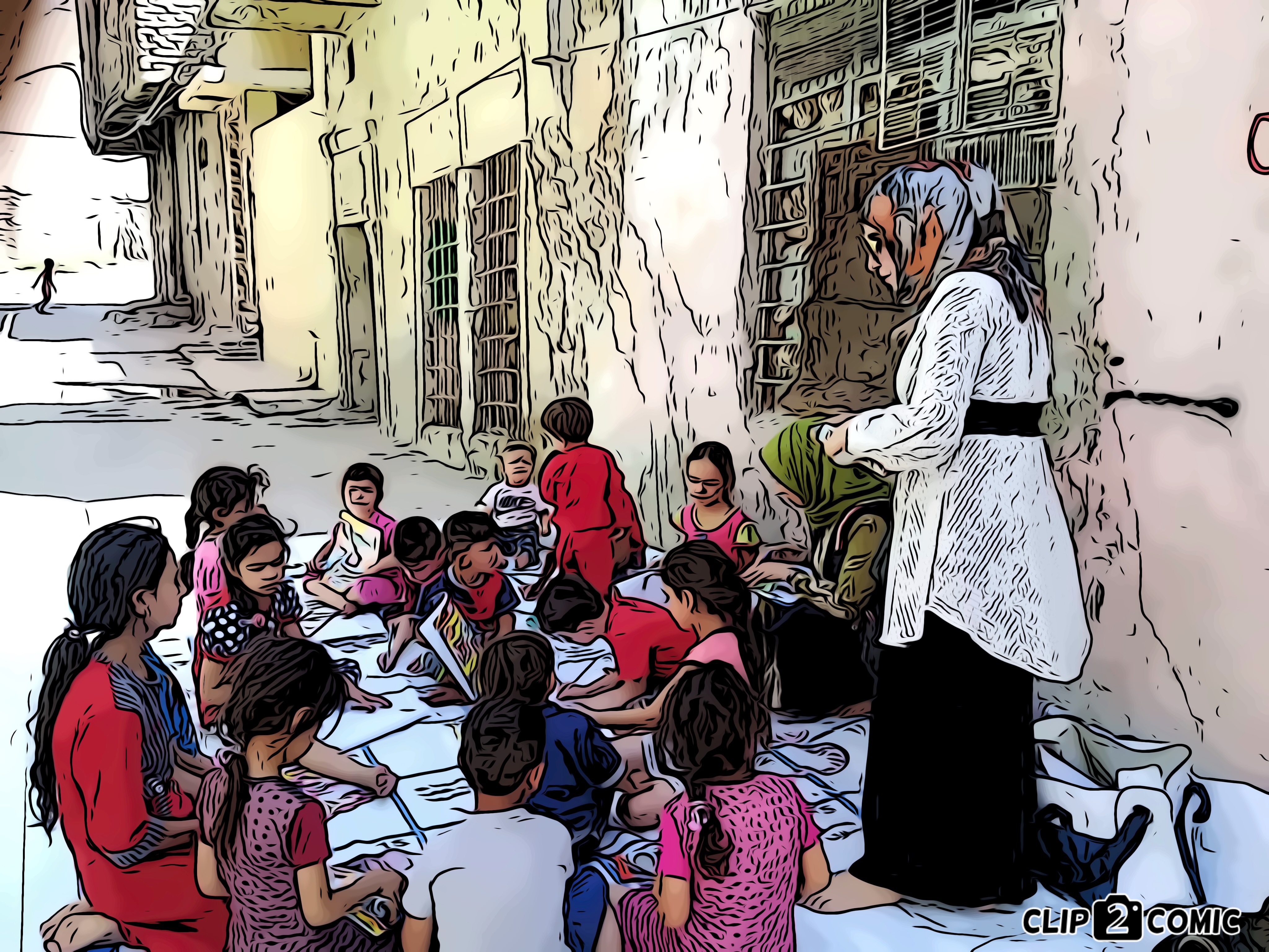
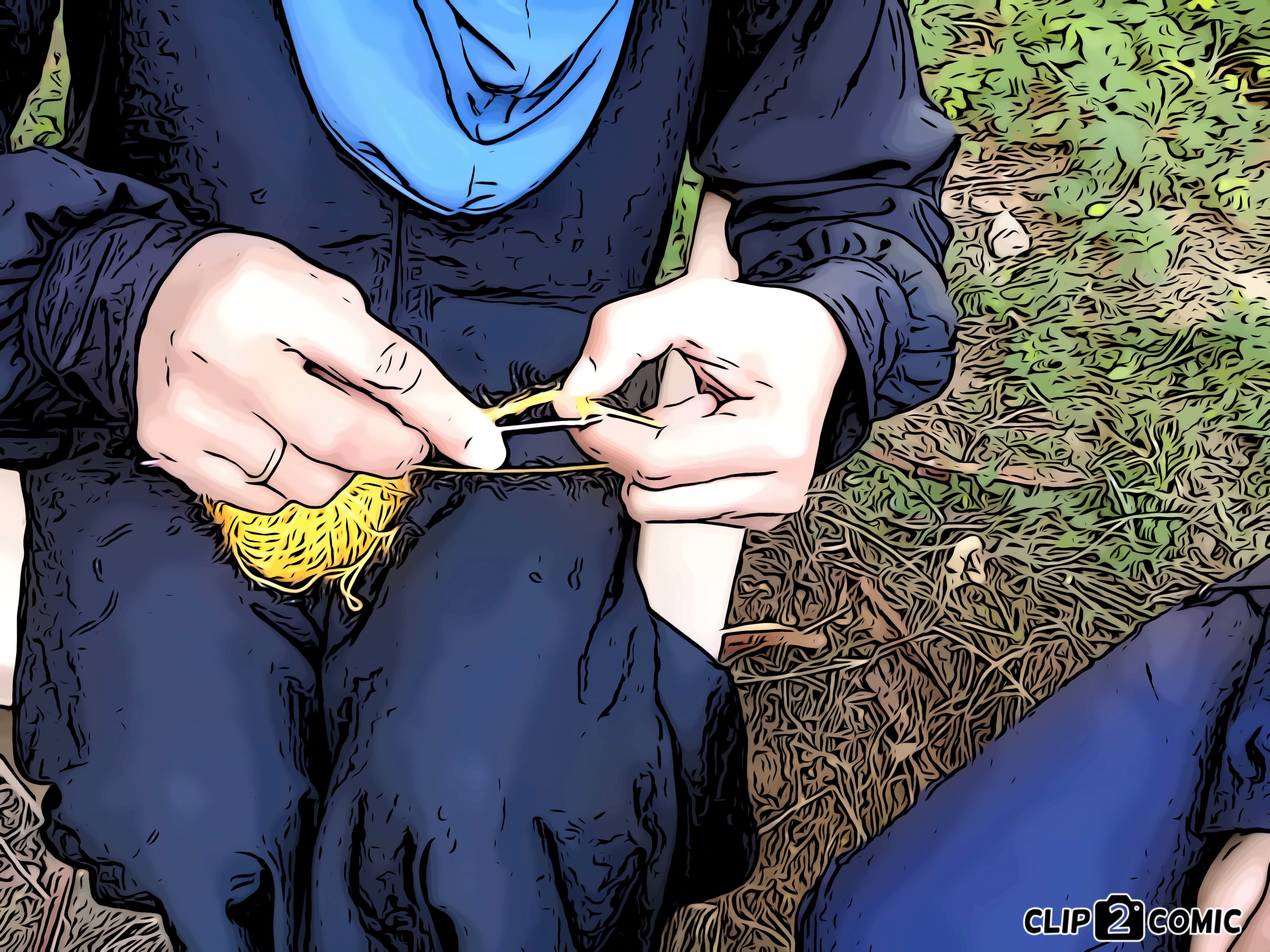
After her successful recovery from the physical and psychological wounds a year later, Dahlia started volunteering in our program for war-affected children. She helped facilitate art therapy sessions for the small children. She improved her writing skills and started learning English, at the same time teaching other children in the literacy and life skills classes. The schools in Mosul did not open until much later, but Dahlia remained a voracious reader. Later, at age 16, she joined the knitting classes where she learned about life and recovery from women and older girls.
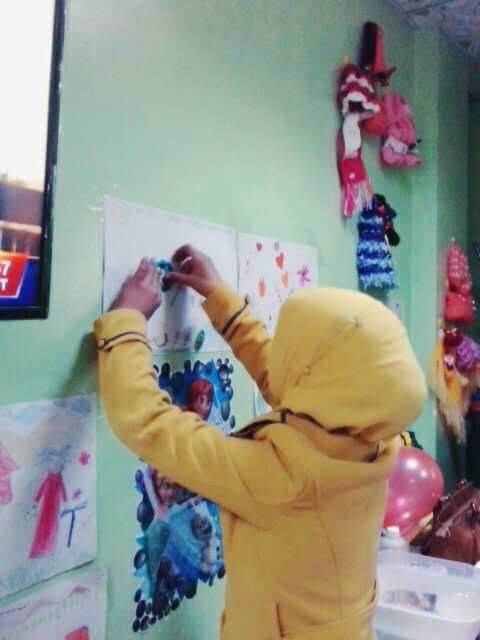
I stood in the classroom one day and watched her pinning artwork to the wall. This is the power of education, I thought. For children like Dahlia, it was a lifeline, the path to recovery and traumatic growth, the realization of a dream.
If we can build education projects and systems that can do this, that aim to do this, imagine what a kind and beautiful world we can build.
About the author: My name is Edessa Ramos and I worked in the humanitarian sector for 11 years in Iraq and Syria. In my spare time, I volunteer as a medic and mental health practitioner in crisis countries. I am currently doing this in Ukraine. – 27. March 2025

